Posted on 17 Jul 2018
The changing face of asbestos

Head of Asbestos and Dust Diseases
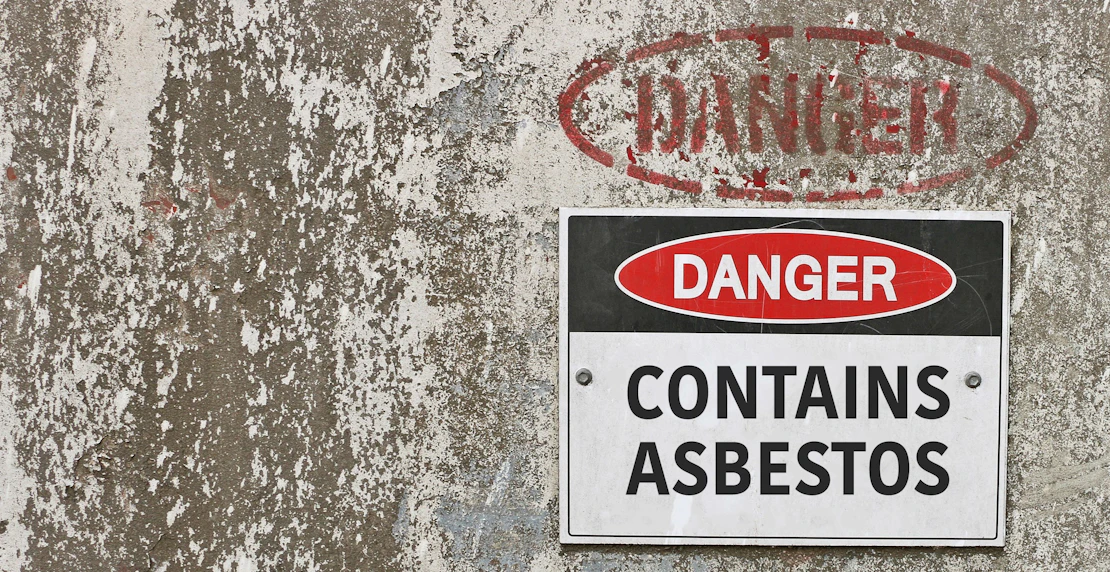
Australia has the most asbestos installed per capita and the second-highest mesothelioma death-rate in the world. Sadly, every year around 700 Australians are diagnosed with asbestos-related diseases (ARDs) – and currently, the proportion of female sufferers is rising while the male proportion remains steady.
Although ARDs have traditionally occurred after direct industrial or workplace exposure, more people are now being exposed in other settings, including because of do-it-yourself (DIY) home renovations.
Domestic or ‘third wave’ exposure claims can be difficult to pursue, and success will rely on quality legal advice.
What is asbestos and where might I find it?
Asbestos is a naturally occurring mineral that has been mined extensively and used in over 3,000 commercial products. One third of Australian homes are believed to contain asbestos; eg in roofing, flooring, fencing, putty/glues, plumbing, cement building materials and insulation.
What can it cause?
Exposure to asbestos (even briefly) can cause potentially terminal illnesses including: mesothelioma, lung cancer, asbestosis, pleural plaques and gastro-intestinal cancer.
In addition to the physical effects, being diagnosed with an ARD can leave people feeling isolated, and financially disadvantaged due to their reduced earning capacity and considerable medical expenses. It’s therefore critical to consider any claim you may have.
The ‘third wave’ of exposure
Increasing numbers of ARDs result from DIY home renovations and other DIY projects.
This domestic exposure forms part of the ‘third wave’ of ARDs – the first occurring in miners and millers etc, and the second in workers who used asbestos products (eg carpenters and mechanics).
The ‘third wave’ includes people who contracted ARDs after short-term and/or low-level exposure at home or work. For example, women who washed their husbands’ dusty clothes or who renovated their house using asbestos cement building products, or children who were present and around when their parents renovated their house or their parents brought home dusty work clothes contaminated with asbestos.
The proportion of women developing mesothelioma is currently growing (from ~5% of all cases in the 1990s to more than 15% in the mid-2000s).
Asbestos compensation
You can claim compensation for many ARDs including mesothelioma – whether you exposed as a worker, self-employed, or exposed at home or by a family member You may be eligible to claim for personal pain and suffering, medical expenses and past/future loss of earnings.
These claims are usually based in negligence; ie, claimants argue that an employer, occupier or manufacturer failed to warn or take steps to protect against the known risk of ARDs. Some argument may also exist that a defendant should have ceased manufacturing or supplying the relevant products/materials before they were installed.
A defendant will be liable if an ARD was ‘foreseeable’ and if a duty was breached (eg a failure to warn).
Register your exposure
Asbestos claims are a complex field involving both legal and medical issues and must be handled with experience and care.
There are typically many years between exposure and diagnosis, so if you think you have been exposed to asbestos it’s important you register this exposure to assist should you need to make a claim in the future, or alternatively, contact us directly today.
Slater and Gordon have one of the largest databases of historical asbestos exposure details in Australia and extensive experience in running asbestos compensation claims. Find out more.
Add Slater and Gordon as a preferred source on Google, so you can find trusted legal information from experienced lawyers - not just AI-generated answers.
The contents of this blog post are considered accurate as at the date of publication. However the applicable laws may be subject to change, thereby affecting the accuracy of the article. The information contained in this blog post is of a general nature only and is not specific to anyone’s personal circumstances. Please seek legal advice before acting on any of the information contained in this post.


