Posted on 24 Jun 2019
Lax attitude to safety on worksites still widespread
By Slater and Gordon
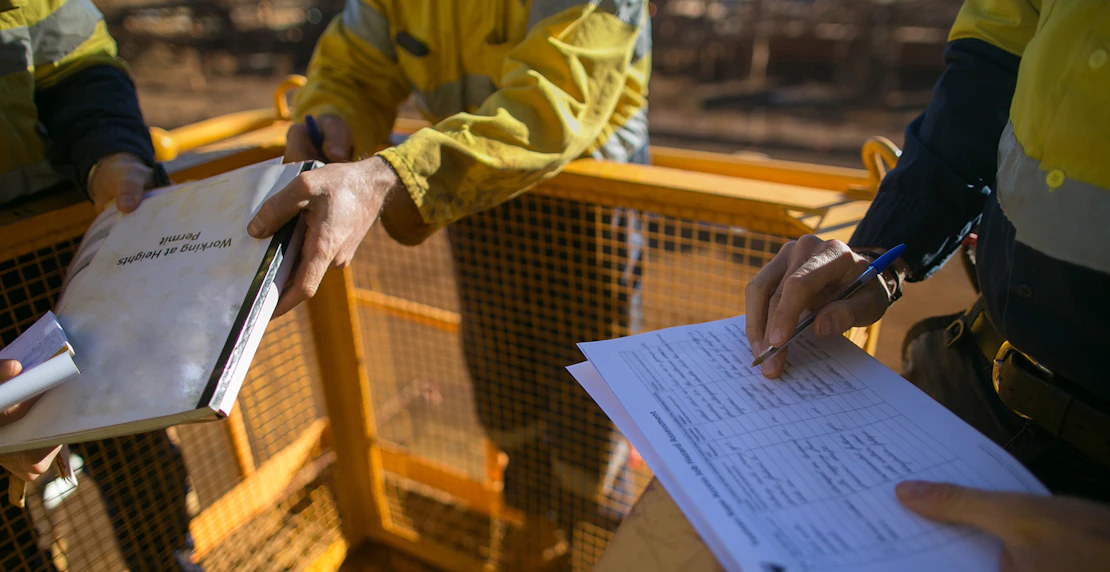
In light of the revelations regarding an unlicenced and unsupervised minor posing as an apprentice while doing electrical work and the recent sweep to check licences on the Gold Coast, it’s clear that a tick a box attitude to safety on worksites is still prevalent.
Younger workers are at risk of being hurt on worksites due to unsafe work practices. It doesn’t help that companies are ignoring basic building and safety standards designed to protect people.
Recent news coverage of the safety blitz on the Gold Coast highlighted the tragic electrocution of a 20-year-old at a Clermont worksite after just nine days on the job in 2012.
Deaths like this are felt throughout all of the community. No one should have to send their son or daughter to work only to lose them through the negligence of cost cutting employers.
However, statistics show that the majority of deaths at work occur in the older worker age group between the ages of 45-54.
In my line of work, I see the effects of injuries and deaths on a daily basis and I also see the cause and how incidents could have been prevented.
There is a consistent theme where we hear: ‘yes there are safety procedures and manuals and there is a safe way it should have been done, but in practice we never do it that way’.
There is often a dismissive acknowledgement or nod to safety but a general attitude that the good workers just get the job done.
This attitude is what leads to deaths within this age group of workers. This demographic is four to 10 times more likely to die or be seriously injured on the job than the younger workers.
There needs to be proper training for new young workers but there also needs to be a focus on the reality which is, it is more likely that the older worker who has done the job for years will be the one suffering the most from these lapses in safety.
The older worker is also aware that if they complain, they may struggle more to get a job if they need to move on.
The financial consequences to them being injured can be catastrophic.
It is incumbent on employers and the State Government to ensure that these older workers who don’t have youth on their side, as well as the younger ones who don’t have the luxury of experience aren’t exploited.
The tragedy is that it is more often than not the best workers who ‘just get in and get it done’ who suffer.
If you have sustained a workplace injury, you can find out more about workers’ compensation schemes and benefits at our Workers’ Compensation page.
The contents of this blog post are considered accurate as at the date of publication. However the applicable laws may be subject to change, thereby affecting the accuracy of the article. The information contained in this blog post is of a general nature only and is not specific to anyone’s personal circumstances. Please seek legal advice before acting on any of the information contained in this post.