Posted on 01 Dec 2025
Crystalline silica and the safety of Australia’s tunnellers
By Slater and Gordon
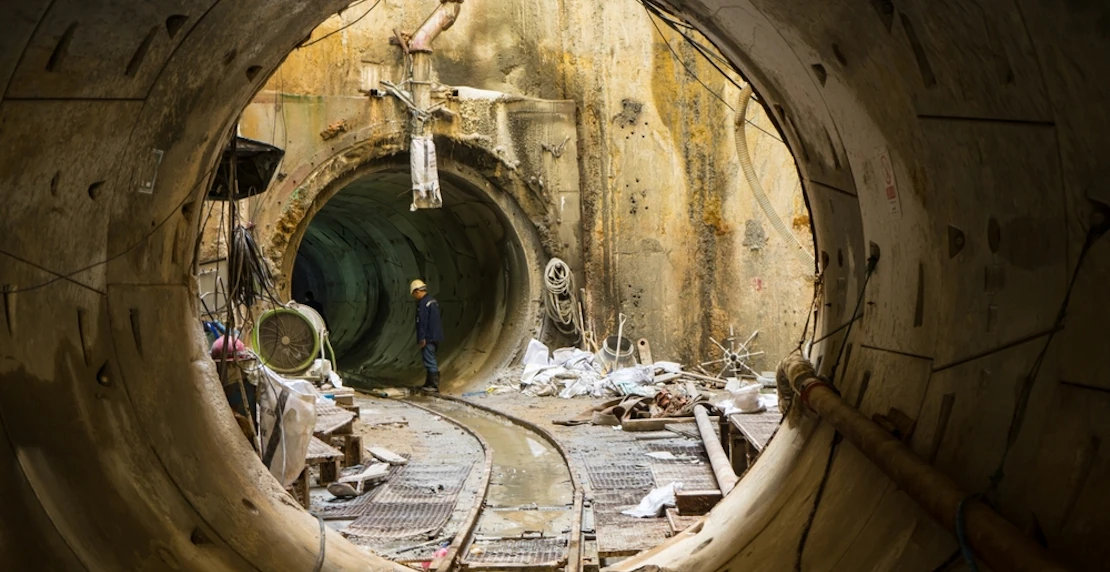
Over the past few decades, tunnelling has reshaped Australian cities from the West Gate Tunnel in Victoria to the Cross River Rail in Queensland. This process involves large-scale digging and excavation to connect cities and public transport networks.
However, while most materials tunnellers are exposed to are harmless, workers may also be exposed to a silent killer – crystalline silica. Disturbing crystalline silica creates tiny airborne dust particles that can cause silicosis, a serious and sometimes fatal lung disease.
Recently, the rise in silicosis cases among tunnellers has highlighted the human cost of major infrastructure projects and the steps workers can take if exposed.
How many Australian workers are exposed to silica dust?
Despite public awareness around silica and other dust-related diseases increasing over the past decade, cases are on the rise.
In fact, a 2024 report by the Thoracic Society of Australia and New Zealand found that almost 600,000 Australians are occupationally exposed to silica dust. Workers in mining, construction, tunnelling, and engineered stone industries are at greatest risk.
While silicosis at any age is a tragedy, there has also been a concerning rise in younger workers being diagnosed with the deadly illness.
A 2025 Monash University study found that during the most recent eight-year period, the median age of people diagnosed with silicosis was just 39 years, compared to 50 years of age in earlier periods.
Recent media reports have supported these findings and highlighted the devastating human toll of silicosis. Earlier this year, thirteen workers employed on tunnelling projects in Sydney were diagnosed with silicosis, including one at just 32 years of age.
- 460–370 BCE: Hippocrates records breathlessness in miners and stonecutters.
- 1556: Georgius Agricola warns about dust hazards in mining and suggested ventilation. Earlier, Pliny the Elder recommended using animal bladders as a primitive dust mask.
- 1705: Bernard Ramazzini observes sand-like deposits in stonecutters’ lungs.
- 1870: Italian pathologist, Achille Visconti, introduces the term ‘silicosis’ after identifying characteristic lung damage in stonecutters exposed to crystalline silica.
- 1930s: Hundreds of workers die from silicosis following the Hawks Nest Tunnel Disaster in West Virginia, USA.
- 1942: New South Wales, Australia, passes the Workers’ Compensation (Dust Diseases) Act enabling impacted workers to seek compensation claims.
- 1950s–1980s: Rapid post-war industrialisation and large infrastructure projects expose thousands of workers to silica dust with limited protections.
- 1990s–2000s: Increased monitoring and regulation of dust in mines and construction sites across Australia. Occupational health campaigns emphasise protective equipment and workplace safety standards.
- 2010s–Present: Silicosis diagnoses rise among Australian tunnellers and construction workers amid rapid urbanisation projects.
What is being done to safeguard affected workers?
Australian regulators, employers, advocacy groups, and unions have taken great strides to protect workers from silica exposure through advances in public awareness and personal protective equipment (PPE).
State and national workplace laws and safety regulations now require proper dust monitoring, the use of dust suppression systems, effective ventilation, and PPE for all workers who may be exposed. However, employers are ultimately responsible for ensuring these measures are implemented and maintained.
Workers diagnosed with silicosis or other dust-related diseases can make a claim for compensation through the Dust Diseases Tribunal and other workers' compensation schemes, as well as common law claims depending on the State or Territory of exposure.
Despite these protections, recent cases highlight that compliance isn't always met, and employers may take shortcuts. That’s why vigilance and enforcement of safety protocols remain essential to prevent further harm and ensure that workers are adequately safeguarded.
What can you do if you’re exposed to silica dust?
If you’ve been exposed to silica dust, your first step should be to seek immediate medical advice. Your local GP can examine you and refer you to a pulmonologist to receive proper screening and additional tests.
Silicosis can remain dormant for years, and in some cases decades, so early detection and adequate medical care is vital to managing the disease.
If you receive a formal diagnosis of silicosis, speak with a dust diseases lawyer who can help determine your levels of exposure, if that exposure occurred in the workplace, and what potential compensation and benefits you may be able to claim as you explore treatment options.
Laws and time limits differ in each State and Territory, workers diagnosed with a silica related condition should seek specialist legal advice and assistance for more information
Register your exposure to silica
Exposure to silica dust at work can affect anyone, regardless of age, and may lead to lost wages, medical expenses, and other unforeseen financial impacts.
Likewise, if you’ve been exposed to silica or are concerned that you may have been exposed, you can register the nature and circumstances of the exposure on our National Silicosis Database.
Registering helps data to be collected and collated to increase knowledge, awareness, lift standards and improve management of those that have been exposed.
The contents of this blog post are considered accurate as at the date of publication. However the applicable laws may be subject to change, thereby affecting the accuracy of the article. The information contained in this blog post is of a general nature only and is not specific to anyone’s personal circumstances. Please seek legal advice before acting on any of the information contained in this post.